How to Keep Your Teeth Healthy at Any Age – Dental Care Guide
Healthy smile is more than just good looks—it reflects your overall health. From childhood to senior years, proper dental care plays a crucial role in preventing cavities, gum disease, and long-term complications. In this complete dental care guide, our experts at a leading hospital in Nawanshahr explain how to keep your teeth healthy at every stage of life with practical, easy-to-follow advice.
What Are Dental Problems?
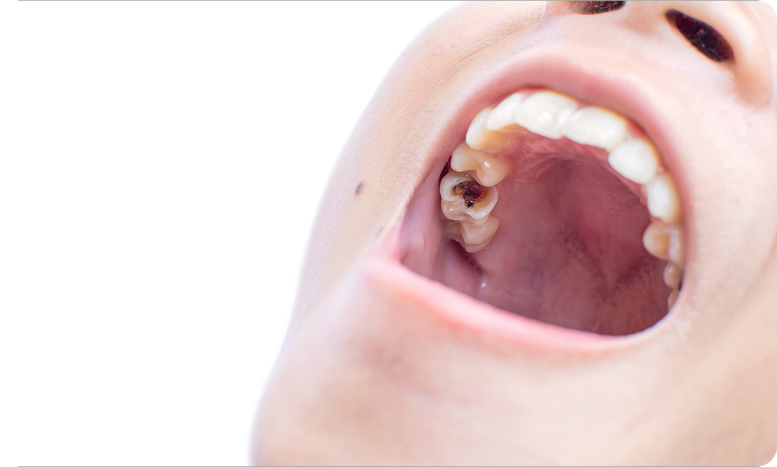
Dental problems are conditions that affect your teeth, gums, or overall oral health. These issues can cause pain, discomfort, infection, and difficulty in eating or speaking if left untreated. Dental problems can occur at any age—from young children to older adults—and may range from mild cavities to serious gum disease.
Why Is Dental Care Important at Every Age?
Many people believe Dental care simply means brushing twice a day, but oral health is much more than that. Your mouth is closely connected to your overall health, and poor dental hygiene has been linked to serious conditions such as heart disease, diabetes complications, respiratory infections, and even pregnancy-related concerns. Maintaining healthy teeth and gums not only helps you eat comfortably and speak clearly but also boosts your confidence with a bright smile. Most importantly, addressing dental issues early through proper care and regular check-ups can prevent painful problems and costly treatments in the future.
Dental Care for Children
Dental care should begin even before a child’s first tooth appears. Gently cleaning your baby’s gums with a soft, damp cloth helps remove bacteria and keeps the mouth healthy. Once the teeth start erupting, parents should use a soft toothbrush and, for children above three years, apply a pea-sized amount of fluoride toothpaste. Children are more prone to cavities because they often consume sweets, chocolates, and sugary drinks. Without proper brushing habits, this can quickly lead to tooth decay. We frequently see cases where parents assume that “milk teeth will fall out anyway,” but untreated decay in primary teeth can cause pain, infection, and even affect the development of permanent teeth. Scheduling regular dental check-ups every six months is essential. Early visits not only help detect problems at an early stage but also make children comfortable with dental care, reducing fear in later years
Dental Care for Teenagers
The teenage years bring new oral health challenges, including orthodontic braces, increased consumption of junk food, and sports-related dental injuries. Teens with braces must be especially careful, as food particles easily get trapped, increasing the risk of cavities and gum issues. Brushing after every meal, flossing daily, and avoiding carbonated drinks can significantly reduce dental problems. Using a mouthguard during sports activities also protects teeth from accidental injuries. Additionally, hormonal changes during adolescence can make gums more sensitive and prone to inflammation, which makes consistent oral hygiene even more important.
Dental Care for Adults
In adulthood, busy schedules, work stress, and lifestyle habits often lead to neglected oral health. Common dental issues among adults include gum disease, tooth sensitivity, staining from tea or coffee, and stress-related tooth grinding. Maintaining healthy teeth requires brushing twice daily for at least two minutes, flossing once a day, limiting sugary snacks, and avoiding tobacco use. Professional dental cleaning every six months helps remove plaque buildup that regular brushing cannot eliminate. One important point many adults overlook is bleeding gums. Bleeding is not normal and is often an early warning sign of gum disease. Seeking treatment at the right time can prevent tooth loss and more serious complications.
Dental Care for Seniors
As people age, their dental needs change. Seniors commonly experience dry mouth due to medications, root decay, loose teeth, and challenges related to denture care. Proper hydration is important to reduce dry mouth, and using fluoride toothpaste helps strengthen weakened enamel. Dentures should be cleaned daily to prevent infections and bad breath. Loose teeth should never be ignored, as they may indicate advanced gum disease or bone loss. Even seniors who wear full dentures should continue regular dental check-ups to monitor oral tissues and overall oral health. Consistent professional care ensures comfort, function, and long-term well-being.
Daily Dental Care Routine
Maintaining healthy teeth does not require complicated steps—just consistency. Dental experts recommend brushing your teeth twice daily using proper technique and flossing at least once a day to remove plaque between teeth. Rinsing your mouth after meals helps wash away food particles and reduces acid buildup. It is also important to replace your toothbrush every three months or sooner if the bristles become worn. Limiting excessive sugar intake protects enamel from decay, and visiting the dentist twice a year ensures early detection of any hidden problems. Remember, consistency in daily habits matters far more than using expensive dental products.
Warning Signs You Shouldn’t Ignore
Certain symptoms should never be overlooked when it comes to oral health. Persistent tooth pain may indicate decay, infection, or nerve damage that requires professional treatment. Swollen or bleeding gums are often early signs of gum disease and should be evaluated promptly. Bad breath that does not improve despite brushing could signal underlying dental issues. Loose teeth in adults are not normal and may point to advanced gum disease, while jaw pain can be related to infection, teeth grinding, or joint problems. Delaying treatment in any of these situations can worsen the condition and lead to more complex and costly procedures.
How Diet Affects Dental Health
Your diet plays a significant role in maintaining strong and healthy teeth. Foods rich in calcium and nutrients—such as milk and other dairy products, leafy vegetables, nuts, and fresh fruits—help strengthen enamel and support gum health. On the other hand, sticky sweets, sugary drinks, frequent snacking, and tobacco products increase the risk of cavities and gum disease. A helpful practical tip is to consume sweets during meals rather than between meals. Saliva production increases while eating, which helps neutralize acids and reduce potential damage to tooth enamel.
When Should You Visit the Dental Department?
You should visit the dental department whenever you notice symptoms such as persistent tooth pain, bleeding or swollen gums, sensitivity to hot or cold foods, bad breath that does not improve, loose teeth, or jaw discomfort. These signs often indicate underlying dental problems that require professional evaluation. However, you should not wait for pain to appear before scheduling an appointment. Many dental issues, including cavities and gum disease, develop silently in their early stages. Regular dental check-ups every six months allow early detection and simpler treatment, preventing complications and reducing long-term costs. Seeking timely care ensures better oral health and protects your overall well-being.
Why Choose Professional Dental Care?
Professional dental care goes beyond routine brushing and home remedies. A Trusted hospital in Nawanshahr, our experienced dental team combines clinical expertise with advanced diagnostic equipment to detect hidden problems that may not be visible or painful in the early stages. Professional cleanings help remove hardened plaque (tartar) that regular brushing cannot eliminate, significantly reducing the risk of gum disease and tooth decay. We also provide personalized dental care advice based on your age, lifestyle, and medical history to support long-term oral health. Choosing expert dental care services in Nawanshahr at Bedi Hospital ensures safe, hygienic treatment, accurate diagnosis, and preventive strategies that keep your smile healthy and strong at every stage of life
Frequently Asked Questions (FAQ)
1. What should I do for the cure of tooth decay?
If you suspect tooth decay, visit a dentist as soon as possible. In the early stages, decay can often be treated with a simple dental filling. However, if the cavity has reached the inner pulp of the tooth, you may require root canal treatment to save the tooth. Ignoring tooth decay can lead to infection, severe pain, and even tooth loss. Early diagnosis makes treatment simpler, less painful, and more affordable.
2. Why is treatment essential for gum disease?
Gum disease may start with mild symptoms like bleeding gums, but if left untreated, it can progress to periodontitis—a serious condition that damages the bone supporting your teeth. This can eventually lead to loose teeth or tooth loss. Gum disease has also been linked to systemic health problems such as heart disease and diabetes. Early treatment through professional cleaning and proper oral hygiene can prevent long-term complications.
3. How should you brush your teeth properly?
Brush your teeth twice a day using a soft-bristled toothbrush and fluoride toothpaste. Hold the brush at a 45-degree angle to your gums and use gentle circular motions rather than harsh back-and-forth strokes. Make sure to clean all surfaces of your teeth, including the back teeth and tongue. Brushing should take at least two minutes for effective cleaning.
4. Is it bad to brush your teeth too much?
Yes, brushing too hard or too frequently can damage your tooth enamel and irritate your gums. Overbrushing may lead to tooth sensitivity and gum recession. It is important to brush gently but thoroughly, using proper technique rather than applying excessive pressure. Using a soft-bristled toothbrush helps prevent damage.
5. How can I improve dental health care at home?
Improving dental health at home starts with consistency. Brush twice daily, floss once a day, and rinse after meals to remove food particles. Limit sugary foods and drinks, stay hydrated, and avoid tobacco products. Replacing your toothbrush every three months and scheduling regular dental check-ups every six months further strengthens your oral care routine. Small daily habits make a significant difference in preventing dental problems.
Conclusion
Maintaining healthy teeth at every age requires simple daily habits, timely attention to warning signs, and regular professional check-ups. Good oral hygiene not only protects your smile but also supports your overall health and confidence. Small preventive steps today can help you avoid painful and costly treatments in the future.
If you or your family members are experiencing any dental concerns, don’t wait. Visit Bedi Hospital, a trusted hospital in Nawanshahr, for expert and compassionate dental care. Book your appointment today and take the first step toward a healthier, brighter smile.


Comments
Post a Comment